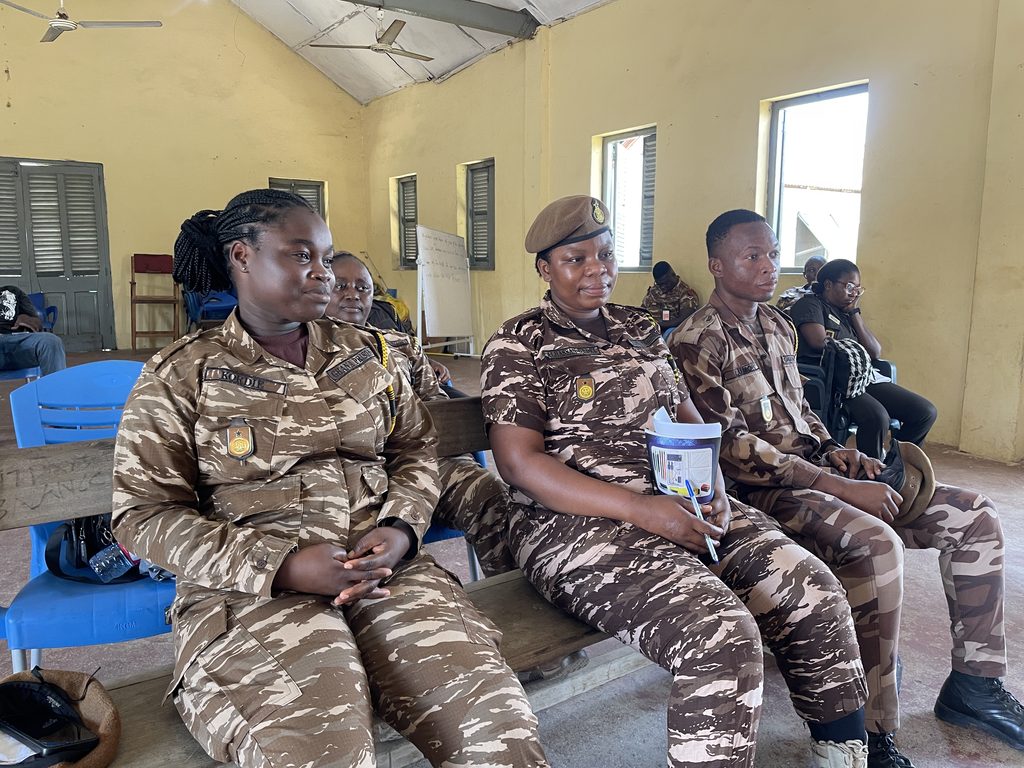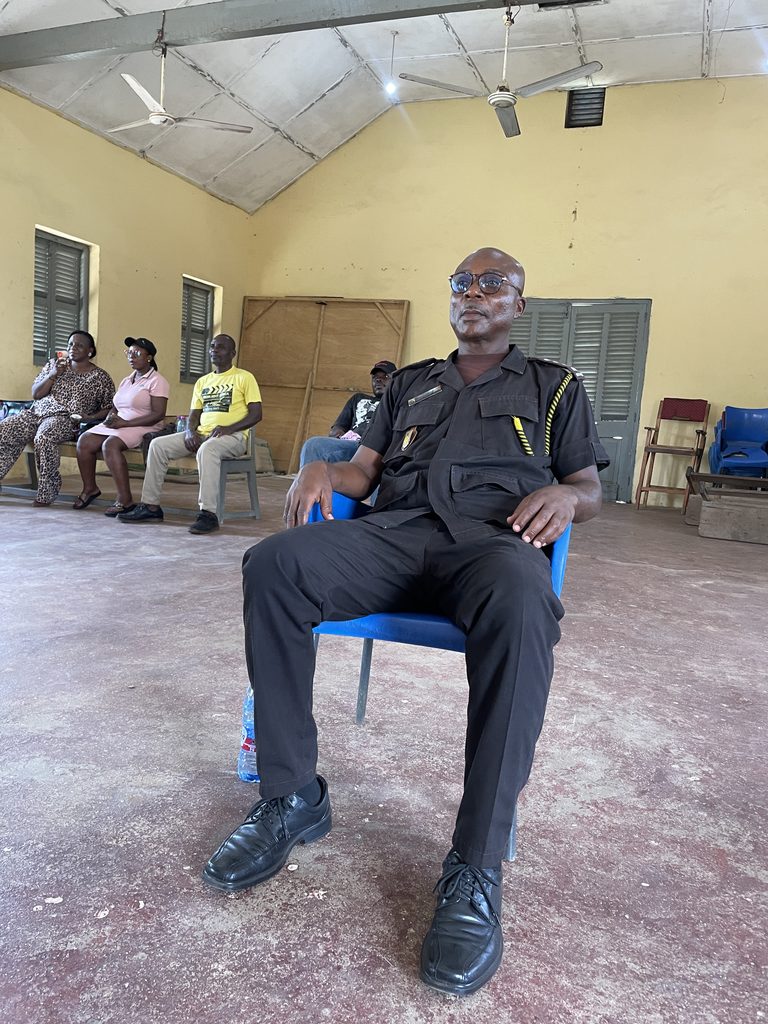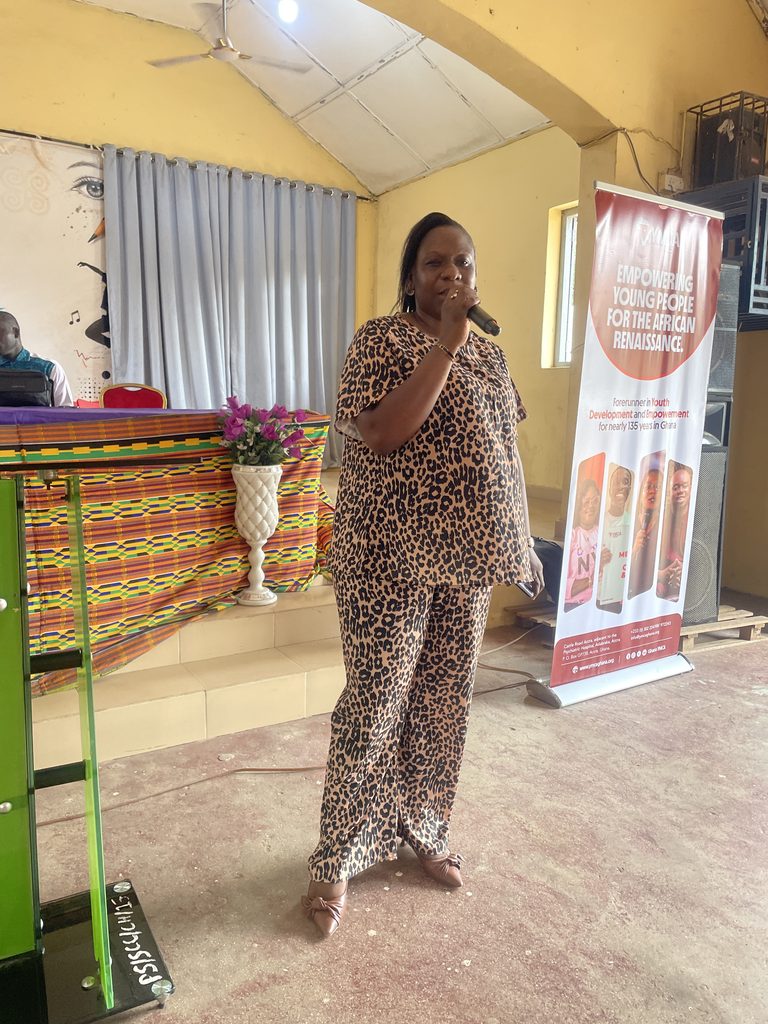


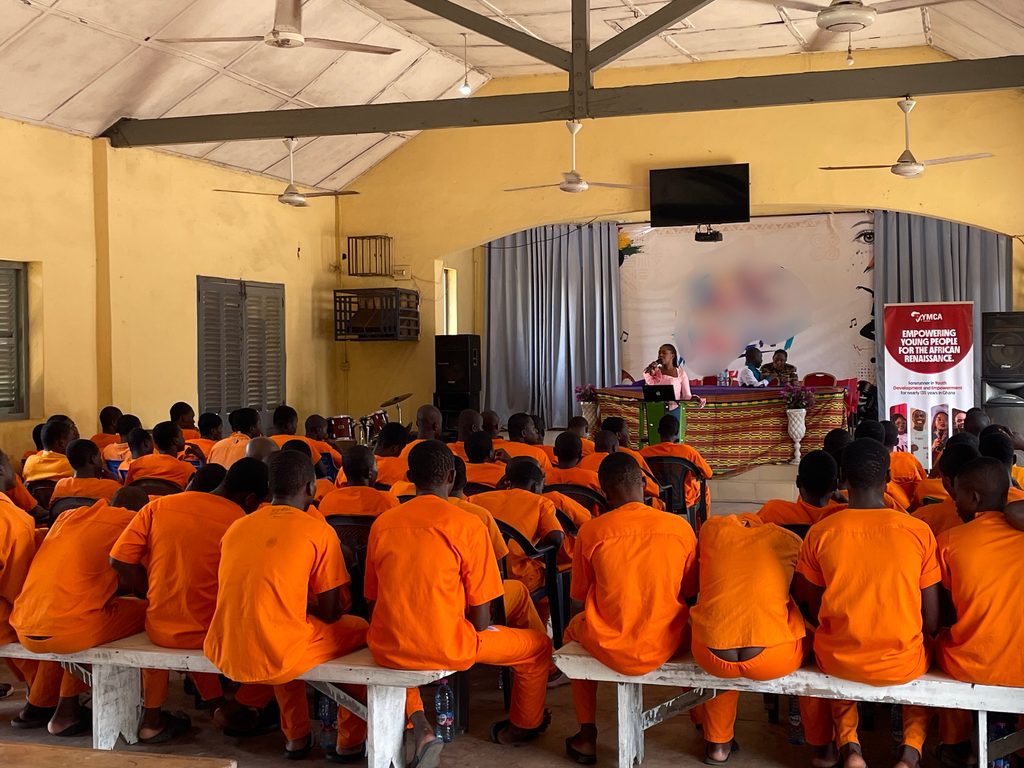
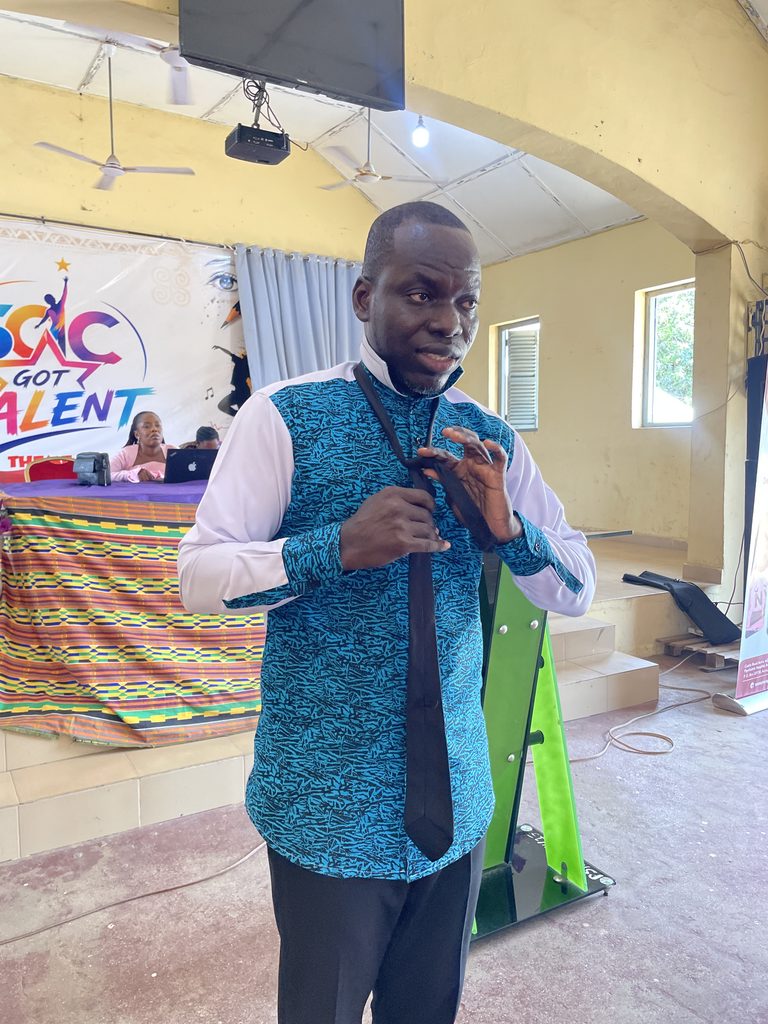
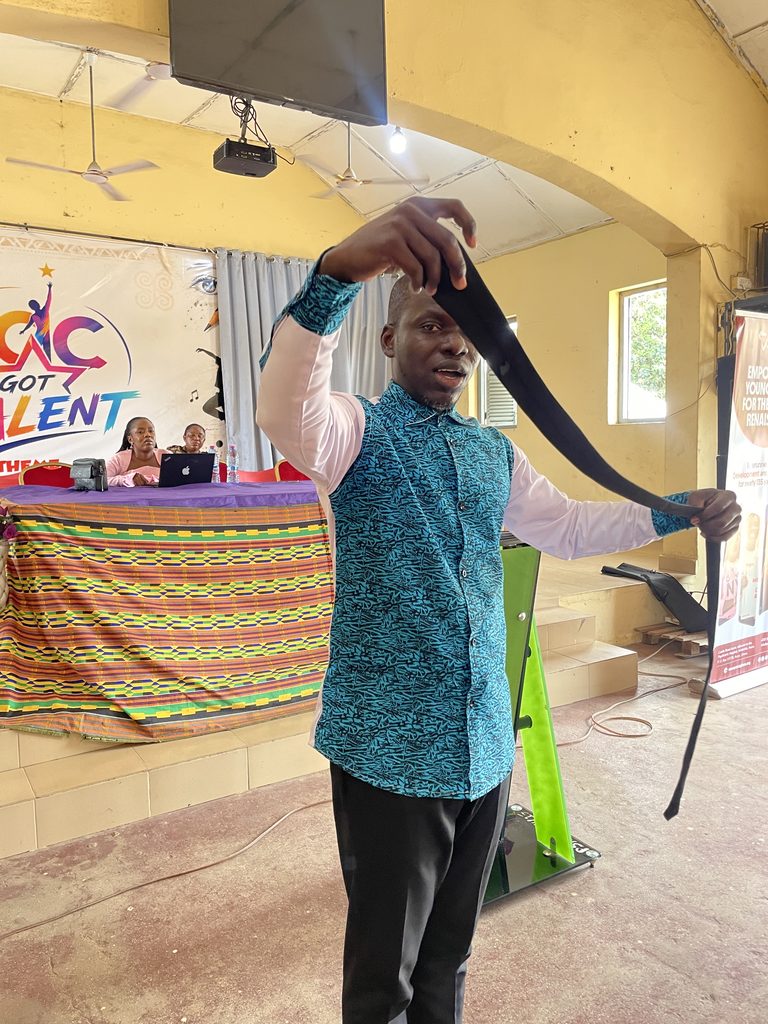
From practising table manners to learning how to tie a tie, over 90 boys and girls at Ghana’s Senior Correctional Centre in Accra participated in a life skills training designed to support their personal development and preparation for life beyond the Centre.
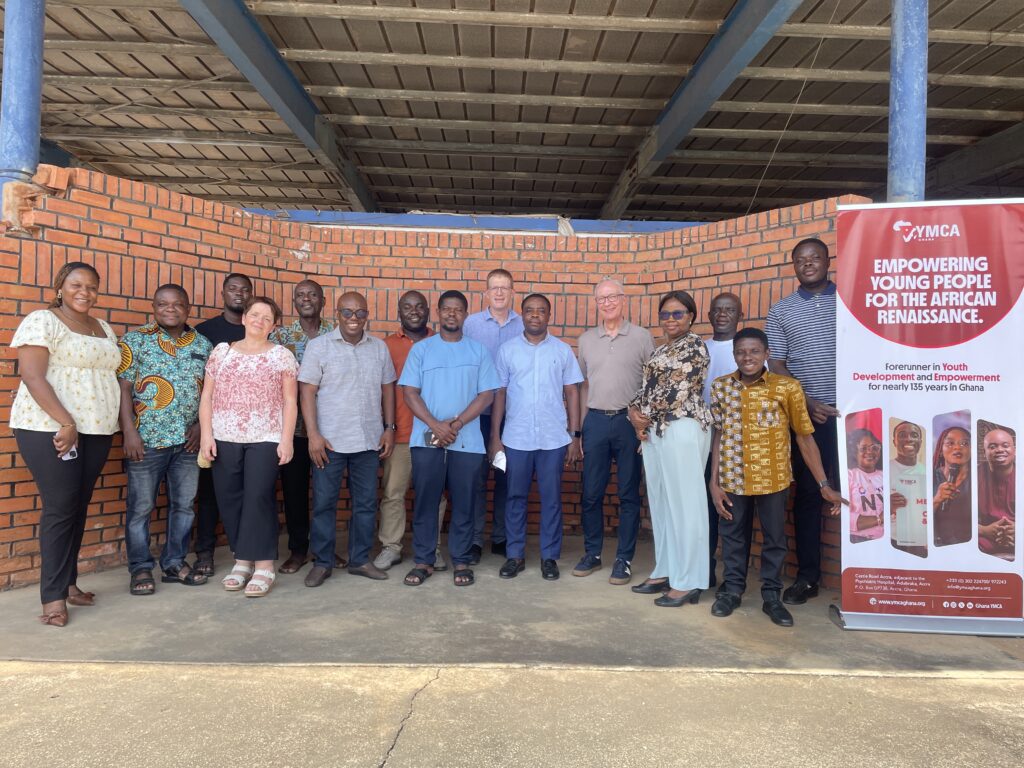
Held on 7 November 2026, the programme was organised by Ghana YMCA in partnership with YWCA-YMCA Sweden under the Stronger Y’s Project. It forms part of ongoing efforts to support young people in correctional care through learning opportunities that promote dignity, inclusion and reintegration.
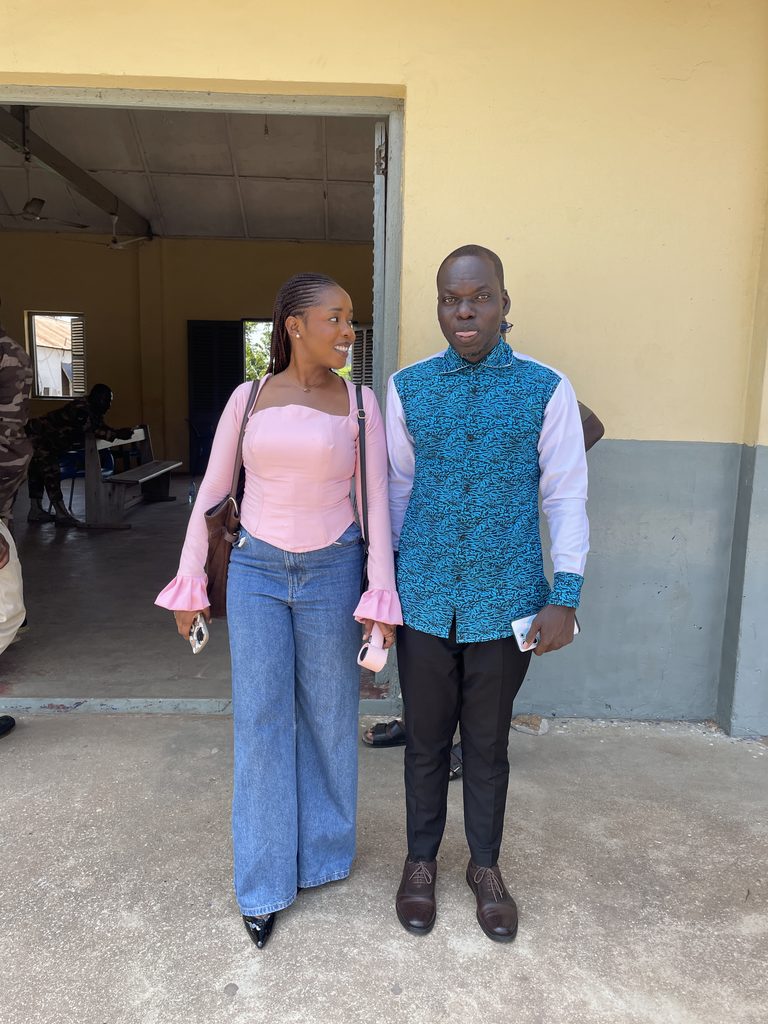
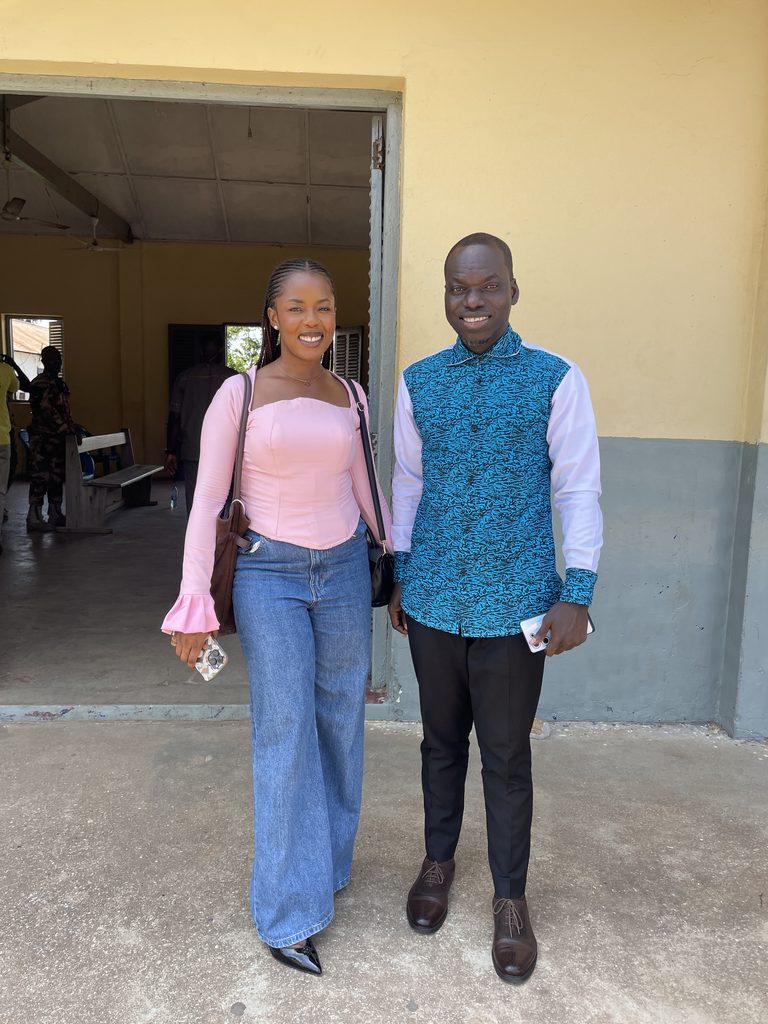
Personal development and life skills facilitators Clementina Delasi Zigah and Abraham Knight Abubakari guided participants through five sessions, combining discussions with practical demonstrations.
Practical Skills for Everyday Life
The training began with personal hygiene and grooming, focusing on everyday habits that support health, cleanliness and personal care. The session encouraged participants to see caring for themselves as an important part of their wellbeing and self-respect.
A session on clothing and personal presentation explored how to dress appropriately for different situations and maintain a neat appearance. These lessons connected personal care with preparation for school, community activities and future workplaces.
Participants also explored polite communication and basic courtesy, with attention to respectful language and consideration for others. These skills are relevant to building relationships, expressing oneself appropriately and interacting constructively with people from different backgrounds.
The practical session on table etiquette and dining manners brought everyday social situations into the learning experience. Participants were introduced to appropriate behaviour at the dining table, helping them prepare for shared meals in family, social and formal settings.
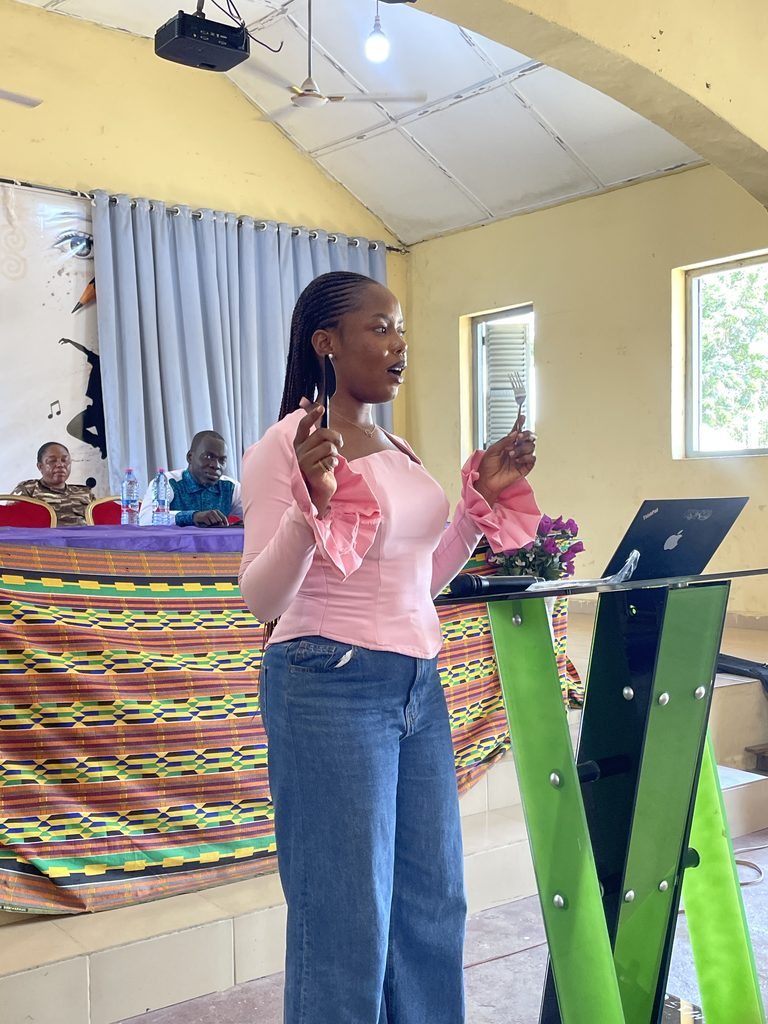
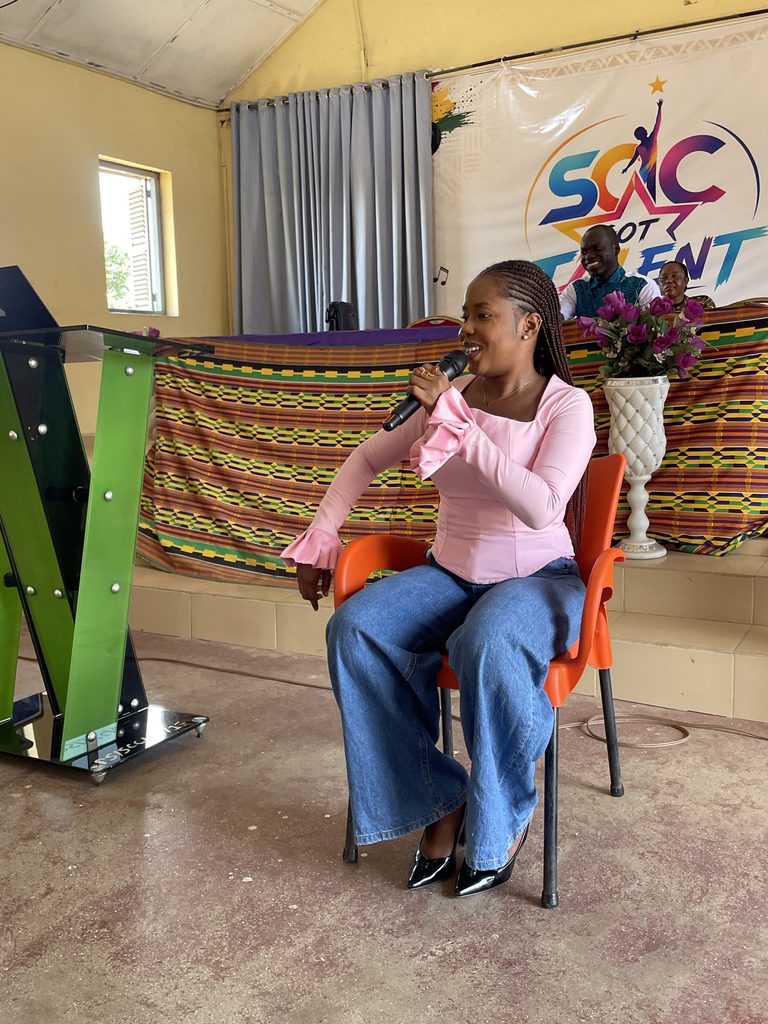
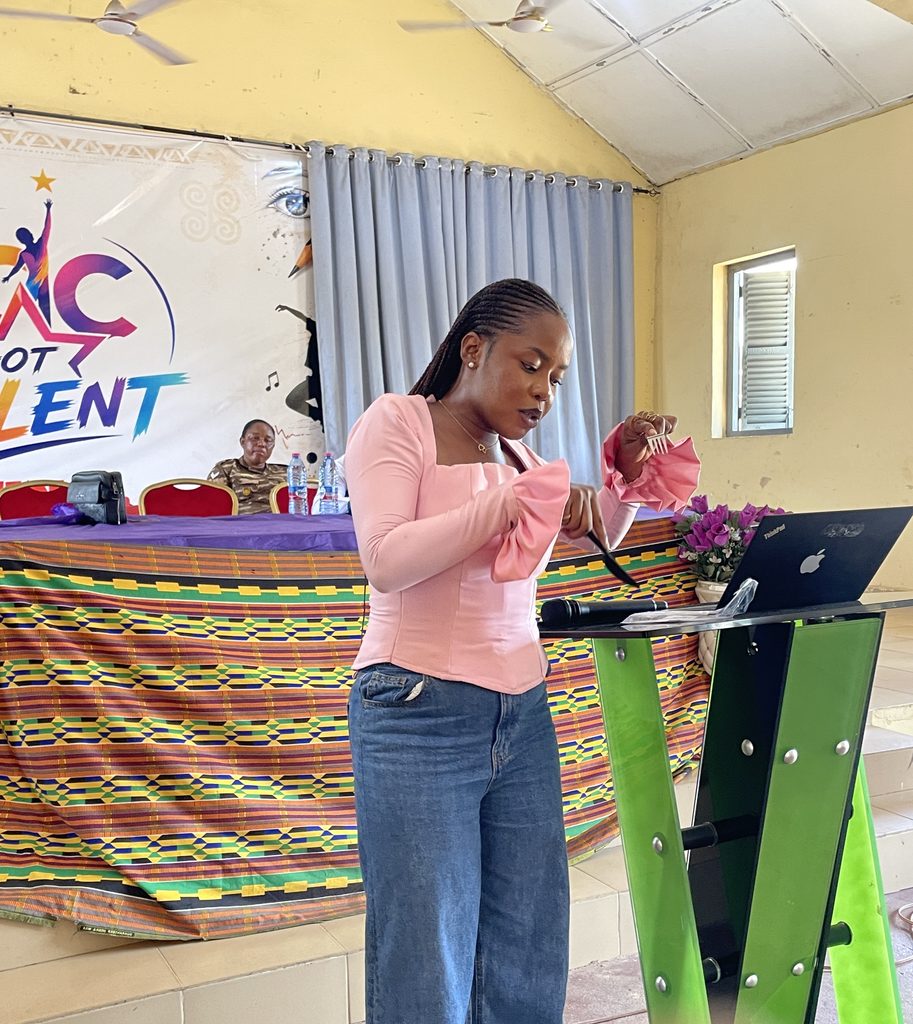
A demonstration on how to tie a tie provided another opportunity for hands-on learning. Alongside the other sessions, it offered a practical skill that participants could use during formal occasions, educational activities or future professional engagements.
Together, the sessions addressed aspects of daily life that can be easily overlooked but remain useful as young people navigate new environments and responsibilities.
Advancing Vision 2030’s Just World Pillar
The programme aligns with the Just World pillar of World YMCA’s Vision 2030 through its focus on inclusion, dignity and access to learning opportunities for young people in correctional care.
For Ghana YMCA, this means recognising that young people at the Centre remain part of the wider community and deserve continued investment in their development. Their circumstances should not prevent them from accessing opportunities to learn, prepare for the future and participate meaningfully in society.
Life skills training is one contribution to that commitment. By supporting personal care, respectful interaction and practical preparation for everyday situations, the programme aims to help participants navigate life within and beyond the Centre with greater confidence.
Building a more inclusive society also requires communities to recognise young people’s potential and support their reintegration. The training reflects Ghana YMCA’s commitment to accompanying young people through that process.
Partnership for Continued Youth Development
Through the Stronger Y’s Project, Ghana YMCA and YWCA-YMCA Sweden continue to create opportunities that respond to young people’s needs and support their development.
The life skills programme complements Ghana YMCA’s broader work with young people in correctional care, including psychosocial support and other initiatives that support rehabilitation and preparation for reintegration.
Ghana YMCA appreciates the facilitators for sharing their knowledge and practical guidance, and the management and officers of the Senior Correctional Centre for their cooperation in making the training possible.
By bringing these learning opportunities into the Centre, the partnership affirms a clear commitment: every young person deserves to be treated with dignity, supported to develop their abilities and given opportunities to build their future.