

Youth Justice III
Empowering vulnerable youth through justice, rehabilitation, and resilience-building initiatives in Ghana.
Initiative
Youth Empowerment
Partners
YMCA Ghana, YWCA-YMCA Sweden
Programme
Mentorship & Support
Focus
Youth justice, rehabilitation, and resilience empowerment.
Youth-centered justice initiative empowering vulnerable youth towards resilience, rehabilitation, and active citizenship.
Youth Justice III empowers vulnerable young people to build resilience, claim their rights, and transition towards active citizenship within their communities. Implemented by the Ghana YMCA in partnership with the YWCA-YMCA Sweden and supported by SIDA and SMC, the project equips youth at risk, young offenders, and ex-detainees with psychosocial support, life skills, mentorship, and reintegration opportunities. Through stakeholder engagement, vocational training, rights-based advocacy, and community sensitization programmes, Youth Justice III is promoting rehabilitation, social inclusion, and youth empowerment across Ghana.
Focus Area
Youth Justice and Human Rights Advocacy
Protecting youth rights through justice awareness and advocacy.
Rehabilitation and Reintegration
Supporting offenders and ex-detainees to reintegrate successfully into society.
Community Engagement and Partnerships
Mobilizing communities and stakeholders to support vulnerable youth.
Youth Resilience and Life Skills Development
Building confidence, resilience, and positive life skills.
Youth Empowerment and Active Citizenship
Empowering youth to participate actively in community development.
Capacity Building for Stakeholders
Strengthening stakeholders' ability to support youth justice interventions.
Partners
Project Partners
Youth Justice III
Youth Justice III is more than just a social intervention project. It is a youth-centered justice and resilience initiative designed to restore hope, dignity, and opportunity to young people in conflict with the law, youth at risk of offending the law, and young ex-detainees in Ghana. Rooted in the belief that every young person deserves a second chance and the opportunity to thrive, the project creates safe spaces for vulnerable youth to rebuild their lives, strengthen their resilience, and become active contributors to society.
Implemented by the Ghana YMCA in partnership with the YWCA-YMCA Sweden and supported by the Swedish International Development Agency (SIDA) and Swedish Mission Council (SMC), the project aligns closely with the Social Justice and Meaningful Work pillars of the World YMCA Vision 2030 framework. The initiative responds to the growing social and structural challenges confronting vulnerable youth in Ghana, including poverty, unemployment, weak family support systems, poor access to education and skills development, stigmatization, and limited protection of their human rights.
Youth Justice III was established to bridge the gap between punishment and rehabilitation by promoting a human rights-based approach to juvenile justice and youth development. Across many communities in Ghana, young people who are at risk of offending the law or who have already been in conflict with the law often face rejection, discrimination, lack of opportunities, and inadequate psychosocial support. The project transforms these realities by empowering young people with the knowledge, support systems, life skills, and opportunities needed to reintegrate positively into society and build sustainable futures.
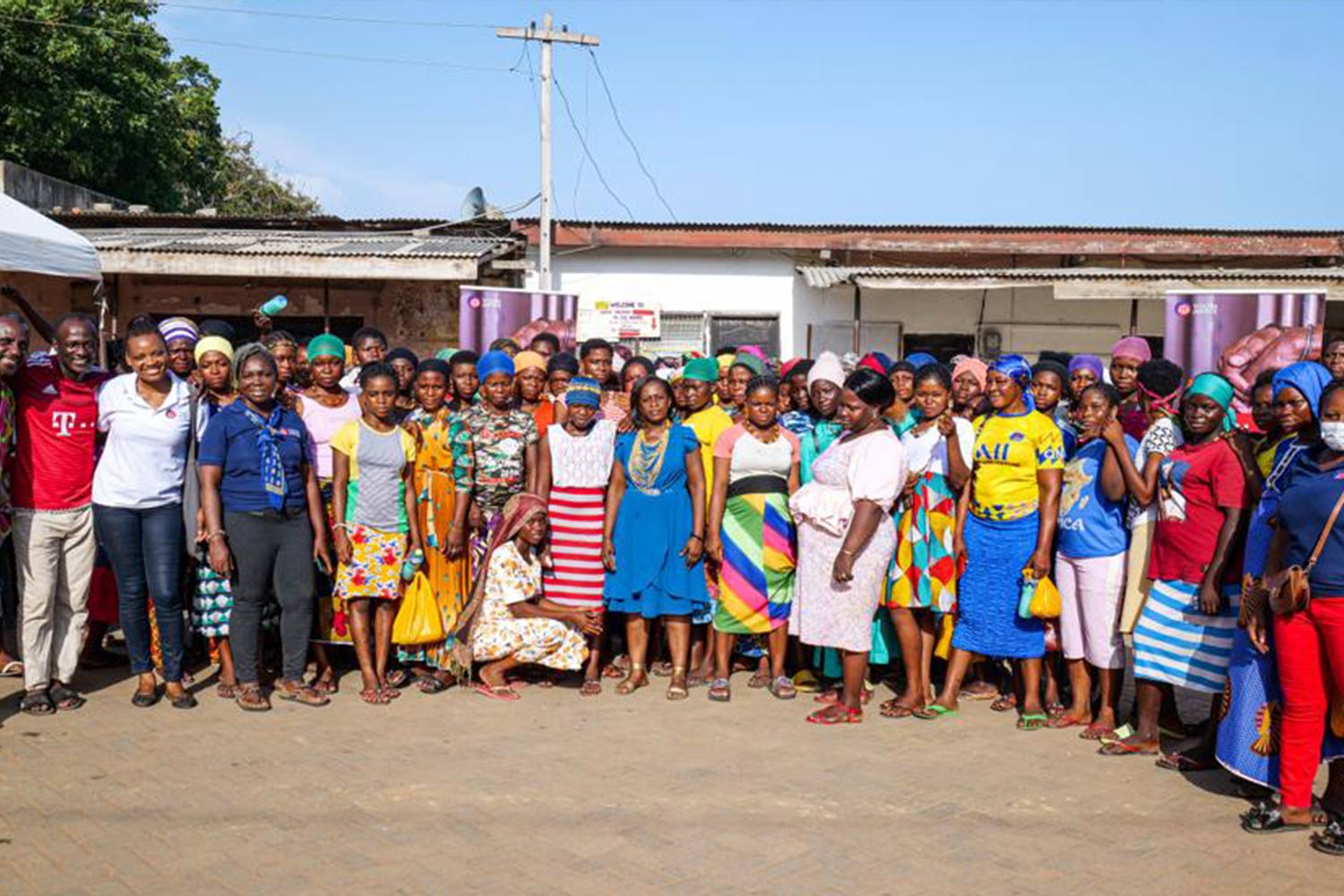
At the heart of the project is the strengthening of youth resilience through prevention, rehabilitation, reintegration, and advocacy. The project intentionally works with vulnerable groups including street youth, teenage mothers, head porters (Kayayei), unemployed youth, young offenders, and ex-detainees. Through a participatory and inclusive approach, the initiative engages young people directly while also involving families, communities, state institutions, civil society organizations, traditional leaders, religious bodies, and duty bearers to create coordinated and long-term support systems.
The Youth Justice III project adopts the YMCA Power Space Strategy, which focuses on Inspiration, Ideation, Implementation, and Opportunity. This approach equips young people to identify challenges affecting their lives, develop innovative solutions, and actively participate in shaping their future. Through capacity-building workshops, psychosocial interventions, stakeholder engagements, and community sensitization programmes, the project empowers youth to understand their rights, build self-confidence, strengthen their decision-making abilities, and avoid pathways that may lead them into conflict with the law.
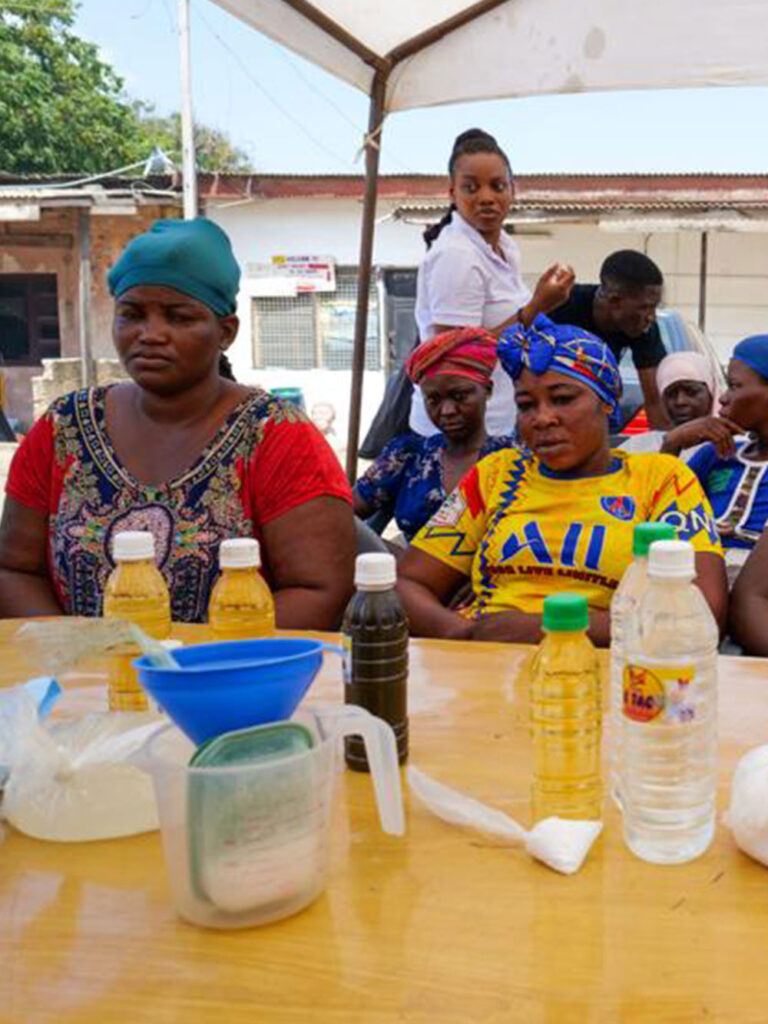
Learning and empowerment within Youth Justice III extend far beyond workshops and presentations. Across the Greater Accra, Ashanti, Eastern, and Volta Regions of Ghana, the project implemented practical community-based interventions tailored to the realities of young people in each location. These interventions included legal and human rights sensitization programmes, psychosocial counselling, vocational and entrepreneurial skills training, sports and recreational activities, aquaculture training, soap and hair conditioner production training, mentorship sessions, educational support, and reintegration assistance for young ex-detainees.
One of the project’s major strengths is its strong multi-stakeholder approach. The Ghana YMCA worked closely with institutions such as the Ghana Prisons Service, the Department of Social Welfare, the Ghana Police Service, the National Youth Authority, the Accra Psychiatric Hospital, local assemblies, traditional authorities, and civil society organizations to ensure that the interventions addressed the real needs of vulnerable youth. Through this collaborative model, the project strengthened partnerships between communities and duty bearers while promoting accountability and improved access to justice and social protection services for young people.
The project also placed significant emphasis on psychosocial support and mental health. Staff, volunteers, probation officers, and stakeholders received specialized training in psychosocial interventions, trauma support, mental health management, and rights-based juvenile offender management. These interventions strengthened the capacity of stakeholders to engage young people with empathy, professionalism, and a deeper understanding of the social and emotional challenges confronting vulnerable youth.
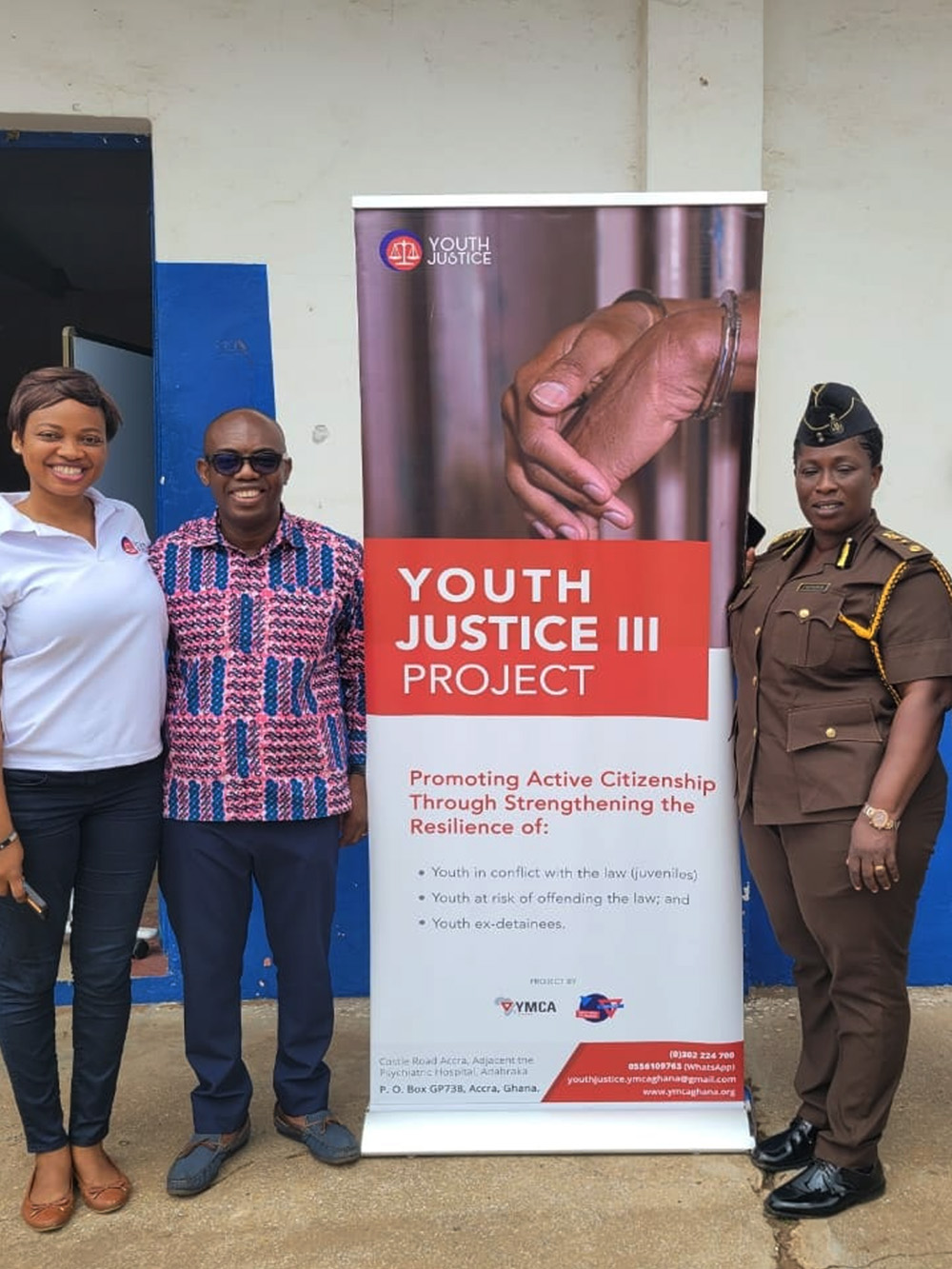
The impact of Youth Justice III has been both practical and transformational. Hundreds of young people across Ghana gained increased awareness of their rights and responsibilities while receiving opportunities for skills development, education, mentorship, and reintegration support. Young ex-detainees were supported with food items, educational opportunities, psychosocial counselling, family reintegration, and livelihood assistance. Some beneficiaries successfully returned to school, while others gained admissions into tertiary institutions and vocational programmes.
The project also contributed to strengthening national conversations around juvenile justice, human rights, and youth empowerment in Ghana. Through stakeholder forums, public engagements, media advocacy, and strategic partnerships, Youth Justice III increased awareness of the realities facing young people in conflict with the law while encouraging institutions and communities to adopt more humane, rehabilitative, and youth-friendly approaches.
At its core, Youth Justice III is not only about preventing crime or responding to juvenile delinquency. It is about restoring hope, promoting dignity, strengthening resilience, and empowering vulnerable young people to transition from exclusion to active citizenship. By investing in rehabilitation, psychosocial support, community engagement, skills development, and human rights advocacy, the project demonstrates that vulnerable youth are not problems to be managed, but individuals with potential, dreams, and the capacity to contribute meaningfully to society.
Youth Justice III truly lives up to its mission: empowering vulnerable young people to transform adversity into opportunity while building safer, more inclusive, and more just communities for all.